We are not talking about the treatment of a chiropractic adjustment in isolation here, although that will form part of this blog. Adjustments/manipulation alone would otherwise be called a modality or treatment tool, much as shockwave or sports taping, massage or exercise prescription would be a treatment tool or modality. Just as it would be unrealistic and inaccurate to describe physiotherapy as purely the prescription of exercises or historically medical rubbing, this also applies to chiropractic as a profession*.
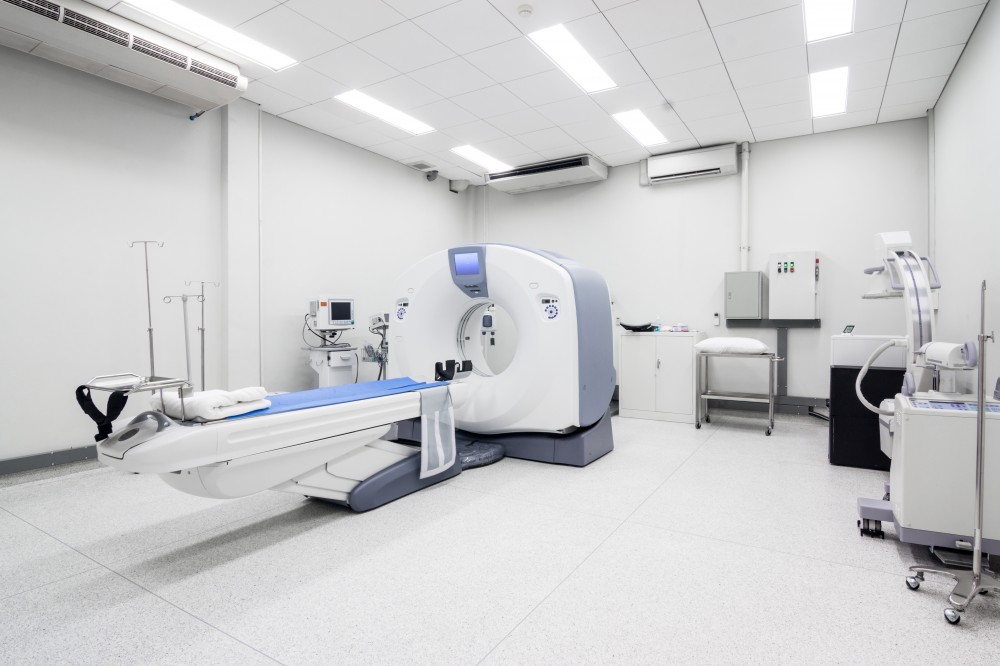
The use of imaging has increased significantly over recent years and so has the quality of imaging. There remains, however, significant strengths and weaknesses of different imaging types, as well as highly important concepts when we try to convert imaging findings into daily experiences. I will attempt to clarify because this is an important and persistent problem.
For many people an episode of backpain can be a short-lived thing associated with a known activity that was pushed a bit too far, such as a bit of heavier gardening, an exercise in the gym, simply getting up from a chair or bending awkwardly, the list goes on. So long as the event wasn't severe and a gradual return to full and varied activities is achieved it can be a stand-alone event. However, evidence supports that having had an episode of backpain in the past does increase the risk of future episodes.
The Power of Routine has been discussed in many settings. Often the language being used can change with the setting, even if the principles are the same. I'll give some examples to clarify:
At work we might have a weekly schedule of routine tasks and activities, I've seen this referred to as a default diary, or daily checklist among others. The key thing being, that certain tasks need to be done and there is some sort of structure that plans-out and helps with the management of them getting completed, without missing key components.